Dive Brief:
- An experimental, triple-acting metabolic drug from Eli Lilly met the main goals of a Phase 3 study in people with Type 2 diabetes, helping treatment recipients significantly cut blood sugar levels and body weight compared to those who got a placebo.
- Lilly said Thursday that the 40-week trial of retatrutide, which targets three gut hormones, showed the two highest doses lowered blood sugar an average of 1.9 percentage points from a baseline average of 7.9%. Those in the placebo arm, by comparison, had a 0.8 percentage point reduction from the study’s start.
- The results are the first from a late-stage study of retatrutide in diabetes. In December, the company disclosed that retatrutide succeeded in a trial in people with obesity and arthritis-related knee pain, findings that were seen by Wall Street analysts as the most striking of any weight loss medication to date. Large studies in obesity are ongoing.
Dive Insight:
The two Phase 3 readouts Lilly has disclosed so far signal that retatrutide might be even more powerful than tirzepatide, the medicine the company sells as Zepbound for obesity and Mounjaro for diabetes and that’s now the world’s biggest selling pharmaceutical.
The knee pain trial put the obesity drug field “on notice,” Evercore ISI analyst Umer Raffat wrote in December. In that study, treatment was associated with as much as 24% over 68 weeks. But because the trial wasn’t designed to maximize weight loss, analysts expect retatrutide to perform in even better in the ongoing obesity studies. Results from three are anticipated around mid-year.
The findings announced Thursday will do little to contain that exuberance. Enrollees who got the shot started with 2 milligrams a week, gradually increased to doses of 4 milligrams, 9 milligrams or 12 milligrams, and continued receiving treatment through 40 weeks.
At the end of the study period, the 12 milligram group lost on average 15% of their body weight and the 9 and 4 milligram groups lost 14% and 12%, respectively. Those who got a placebo lost 3%. Lilly also noted that the weight loss retatrutide recipients were experience hadn’t yet plateaued, suggesting their results would likely get better with time.
Retatrutide hits the same two gut hormones — GLP-1 and GIP — as tirzepatide. But it also acts on a third target, glucagon, which could boost its potency. Lilly’s progress has spurred others to develop similar medications, including Novo Nordisk and Shanghai Minwei Biotechnology.
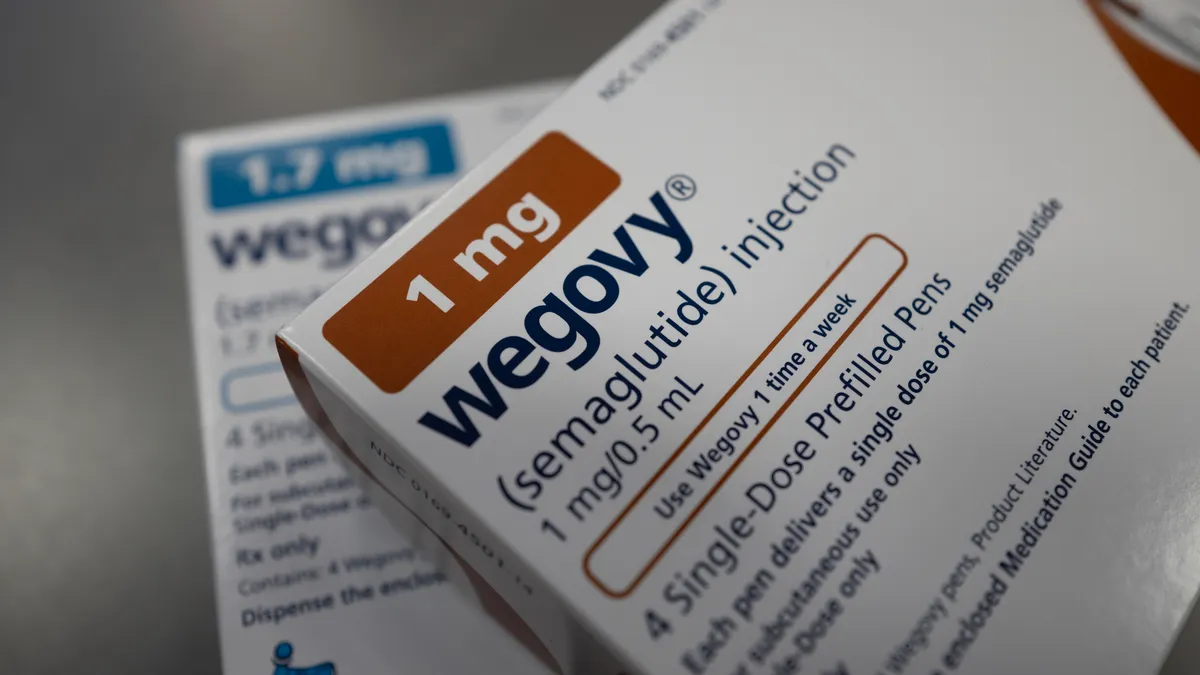
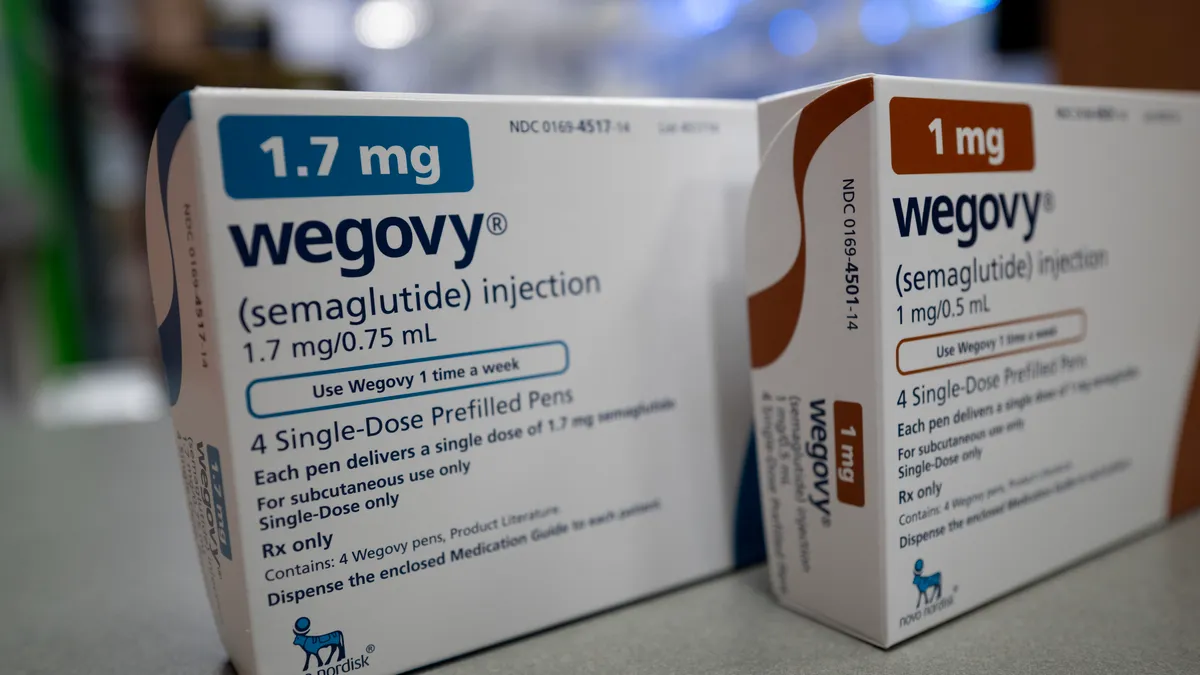
The arrival of pill versions of GLP-1 medicines is already starting to reshape the obesity treatment landscape. Novo’s Wegovy pill, which was approved in December, is off to a fast start. Lilly’s rival orforglipron could gain approval within weeks.
Additionally, treatment adherence has been a challenge with injectable GLP-1s, suggesting that patients could transition to oral drugs if they experience side effects or have reached a weight-loss plateau.
Still, injectable drugs could remain an important treatment option. Retatrutide, for instance, could be particularly useful for those with severe obesity and need to lose 20% or more of their body weight to come into a healthy range, or require rapid weight loss to avoid other health complications.