


The Latest
-

 Getty Images
This week in charts: a big year for RNAi developers
The latest installment in BioPharma Dive’s data visualization series features a look at the emerging popularity of RNAi developers, and the funding that came with it.
-
 Permission granted by Cytiva
Sponsored by Cytiva
Permission granted by Cytiva
Sponsored by CytivaNovel protein and peptide therapeutics
Explore manufacturing challenges and solutions for ADCs, bispecifics, peptides and more.
-
 Adeline Kon/BioPharma Dive
Deep Dive // IPO window
Adeline Kon/BioPharma Dive
Deep Dive // IPO windowBiotech IPOs are the industry’s lifeblood. Track how they’re performing.
Windward Bio, a Novo Holdings and OrbiMed-backed immune drugmaker built around medicines in-licensed from China, joined a handful of other biotechs that have revealed IPO plans this month.
Updated 19 hours ago -
 Getty Images
Star adds $200M after spinout successes
Following exits for its subsidiaries Electra Therapeutics and Vega Therapeutics, Star is now mining for a new drug prospect.
-
 Getty Images
IPO window
Getty Images
IPO windowProtein degrader specialist Lycia prices $318M IPO
Funds from the upsized offering will support a trio of protein-degrading medicines in development for allergic conditions as well as the autoimmune disorder Graves’ disease.
-
 Permission granted by Roche
Roche affirms sales outlook amid doubts about its future
Lower-than-expected sales of Xolair stood out as the Swiss drugmaker readies for an onslaught of generic competition for top products.
-
 Courtesy of Biohaven Ltd.
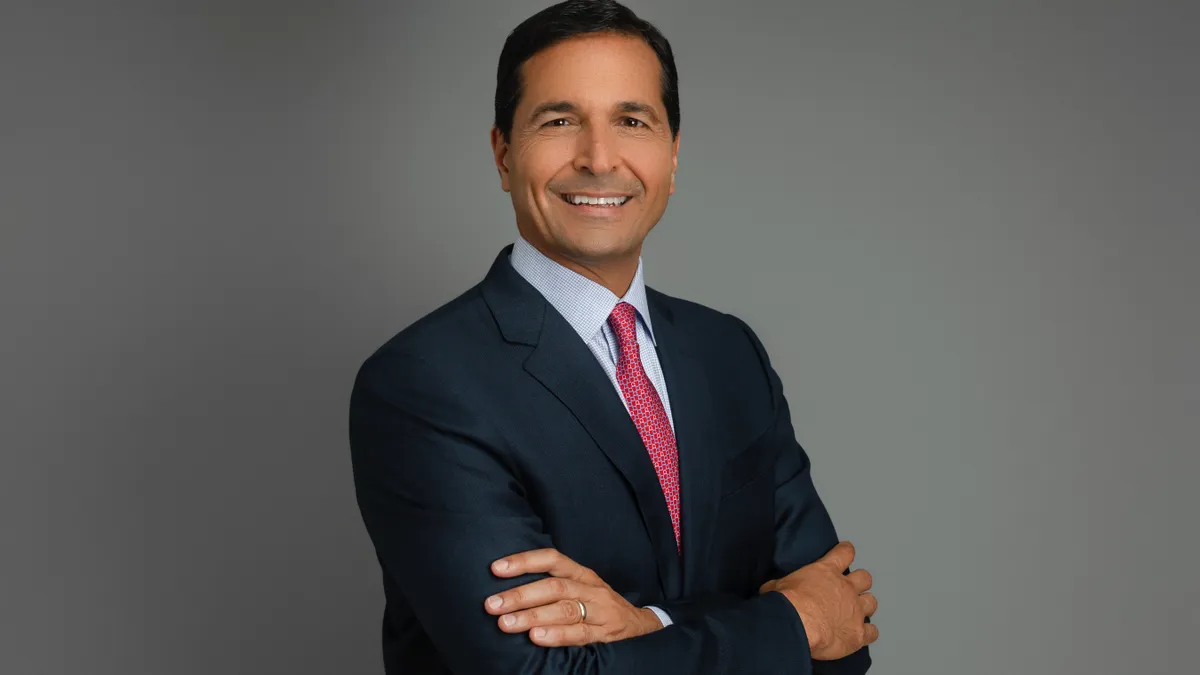
Biohaven’s previously rejected rare disease drug to get fresh FDA review
U.S. regulators have accepted a new submission for Vyglxia, offering the chance at a turnaround for another rare disease medicine spurned by previous FDA leadership.
-
 Alamy
Alamy
GSK, Ionis win US approval for first-of-its-kind hepatitis B drug
Hibsago is viewed as a potential “functional cure” for chronic infections and an important part of the British drugmaker’s goal of reaching £40 billion in annual revenue by 2031.
-
 Getty Images
Most new drugs are still too costly at launch, ICER says
A new analysis from the non-profit group found that net launch prices for new medicines spiked significantly between 2022 and 2025, and the majority were well above its cost-effectiveness guidelines.
-
 Adeline Kon/BioPharma Dive
Deep Dive
Adeline Kon/BioPharma Dive
Deep DiveBiotech M&A is accelerating. Track the deals that are happening here.
The 130% premium in Merck KGaA’s buyout of Silence Therapeutics is the second-highest paid in a biopharmaceutical company purchase this year, according to BioPharma Dive data.
Updated Oct. 19, 2026 -
 Getty Images
Obesity drugs
Getty Images
Obesity drugsGLP-1 compounder issues recall for copycat Zepbound
The notice adds to growing concerns about the safety of knockoff weight loss drugs, which have remained popular despite FDA warnings and legal pressure from Eli Lilly and Novo.
-
 Permission granted by Roivant Sciences
Roivant, continuing ascent, claims another victory for rare disease drug
Shortly after winning a clearance in the skin disease dermatomyositis, brepocitinib posted results suggesting it might also be a “best-in-disease” medicine for an inflammatory eye condition, one analyst said.
-
 Getty Images
News roundup
Getty Images
News roundupArcus kidney cancer data impresses analysts; TriGemX inks a SPAC deal
New follow-up results suggest Arcus’ drug might be superior to a marketed Merck medicine. Elsewhere, Eli Lilly and AstraZeneca forged new partnerships.
-
 Kevin Frayer via Getty Images
China competition
Kevin Frayer via Getty Images
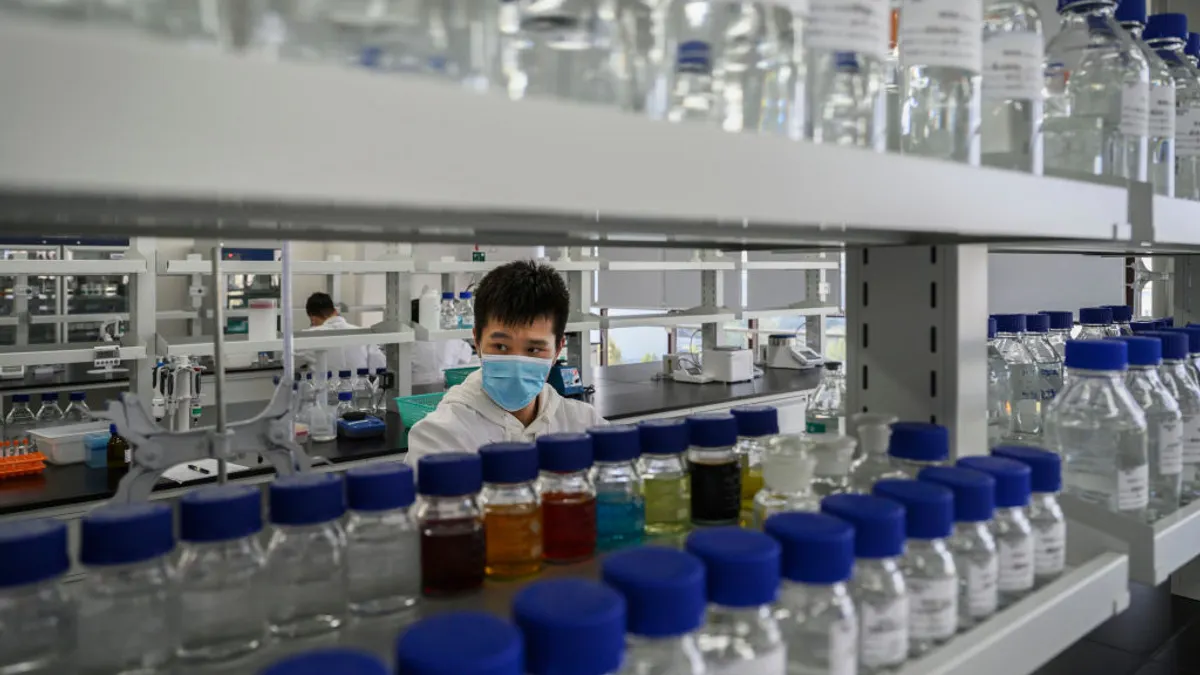
China competitionDrugs from China are reshaping biotech. Track the licensing deals here.
Including its latest deal with Rona Therapeutics, Roche has now inked 10 licensing pacts with China-based drugmakers since the start of 2025. Five have come since late August.
Updated Oct. 13, 2026 -
 Permission granted by Rapport Therapeutics
Rapport’s epilepsy drug finds surprising success in bipolar trial
Despite what some analysts described as low expectations, RAP-219 narrowly hit the main goal of a mid-stage study, results that could help it tap a billion-dollar-plus market opportunity.
-
 Courtesy of Merck KGaA
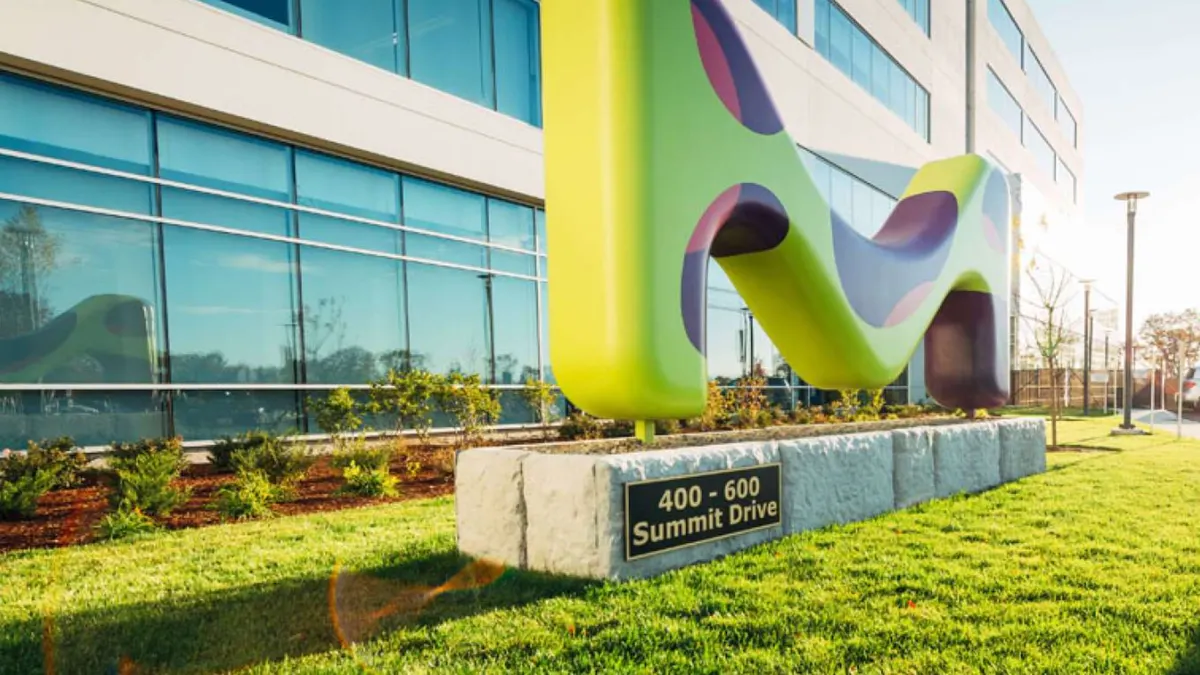
Merck KGaA bets on RNAi with $1.3B Silence buyout
The acquisition gives the German company a promising blood disorder medicine that passed a Phase 2 test and could threaten a Takeda drug.
-
 Getty Images
Hype vs. reality: What pharma’s hottest R&D bets have actually proved
New types of bispecifics, antibody-drug conjugates and cell therapies haven’t yet proven themselves in the clinic. Pharmaceutical companies are betting billions anyway.
-
 Permission granted by 2026 Nasdaq, Inc. / Vanja Savic
Q&A // IPO window
Permission granted by 2026 Nasdaq, Inc. / Vanja Savic
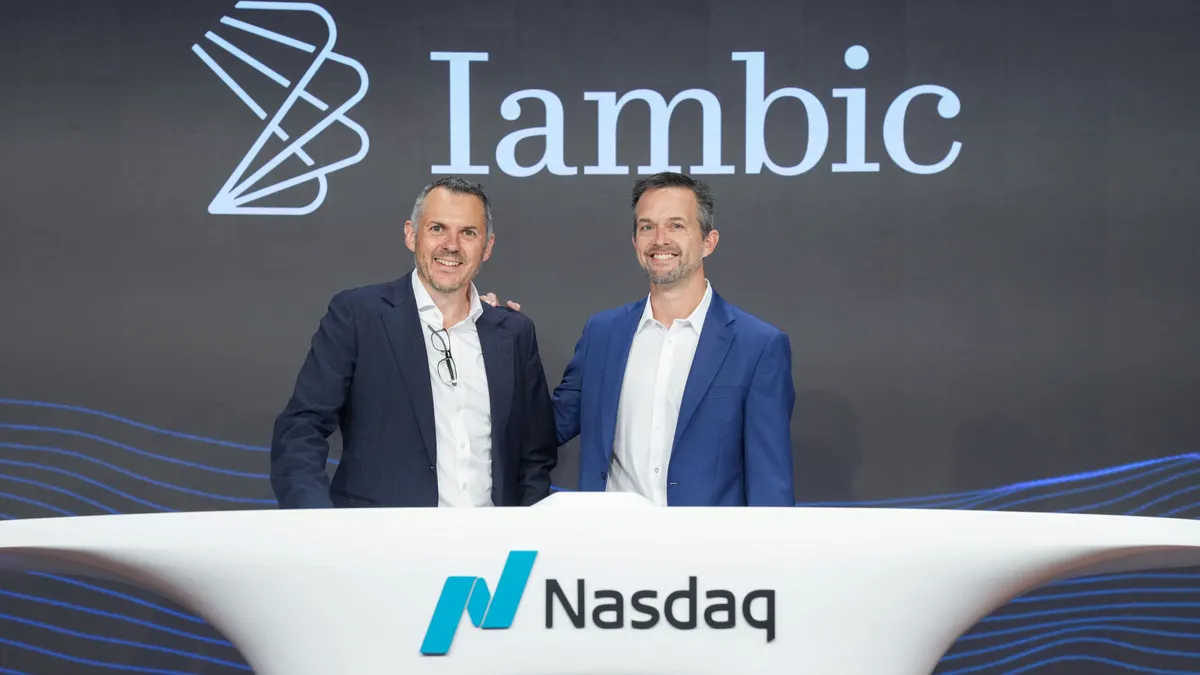
Q&A // IPO windowIambic CEO on taking an AI drug company public
Fresh off a $150 million IPO, Tom Miller spoke to BioPharma Dive about the roadshow process and how he sees AI’s role in drug development evolving.
-
 Getty Images
Disc’s once-spurned rare disease drug to get a second chance at approval
Months after the FDA rejected its treatment for a rare light-sensitivity disease, the biotech claimed success in a Phase 3 trial and now plans to re-engage regulators.
-
Getty Images
News roundup
Roche inks $15B ADC pact with Hansoh; Veradermics scores in another baldness study
Roche is paying Hansoh $400 million up front in a broad deal involving several ADCs. Elsewhere, another top investor formed a China-focused fund and Ultragenyx sold a second review voucher.
-
Getty Images
This week in charts: Moderna’s massive stock run
The latest installment in BioPharma Dive’s data visualization-focused series includes a look at Moderna’s meteoric rise in 2026 and a sudden deal surge from Roche.
-
 Getty Images
Trump administration
Getty Images
Trump administrationFDA ‘reset’ continues with new plan for reviewing rare disease drugs
A revamped regulatory framework may give investors less of a “guessing game” as they weigh chances for drug approvals, one analyst said.
-
 Getty Images
IPO window
Getty Images
IPO windowNext-gen RNAi drugmaker City prices $200M IPO
The offering will support a trio of medicines in or nearing clinical testing, as well as earlier research into RNAi treatments that get into tissues outside the liver.
-
 Getty Images
Biogen-backed Estuary nabs $93M for kidney disease gene therapy
The Series A round, which was led by RA Capital, will help fund the development of two genetic medicines designed to treat an inherited kidney disorder known as "ADPKD."
-
 Getty Images
Belgian startup revives Galapagos CAR-T research
Armed Cell Therapeutics, chaired by former Galapagos CEO Paul Stoffels, has assumed control of cell therapies the company — now known as Lakefront Biotherapeutics — divested in a strategic overhaul.
-
 Getty Images
IPO window
Getty Images
IPO windowIambic, an AI drug discovery specialist, banks $150M in an IPO
Part of a wave of young biotechs employing AI to accelerate research, the company claimed in regulatory filings that its approach has the potential to “disrupt legacy drug discovery paradigms.”

