Earendil Labs, a high-powered startup with a presence in China and the U.S., has secured $787 million to advance a sprawling pipeline of biologic medicines for autoimmune conditions and cancer.
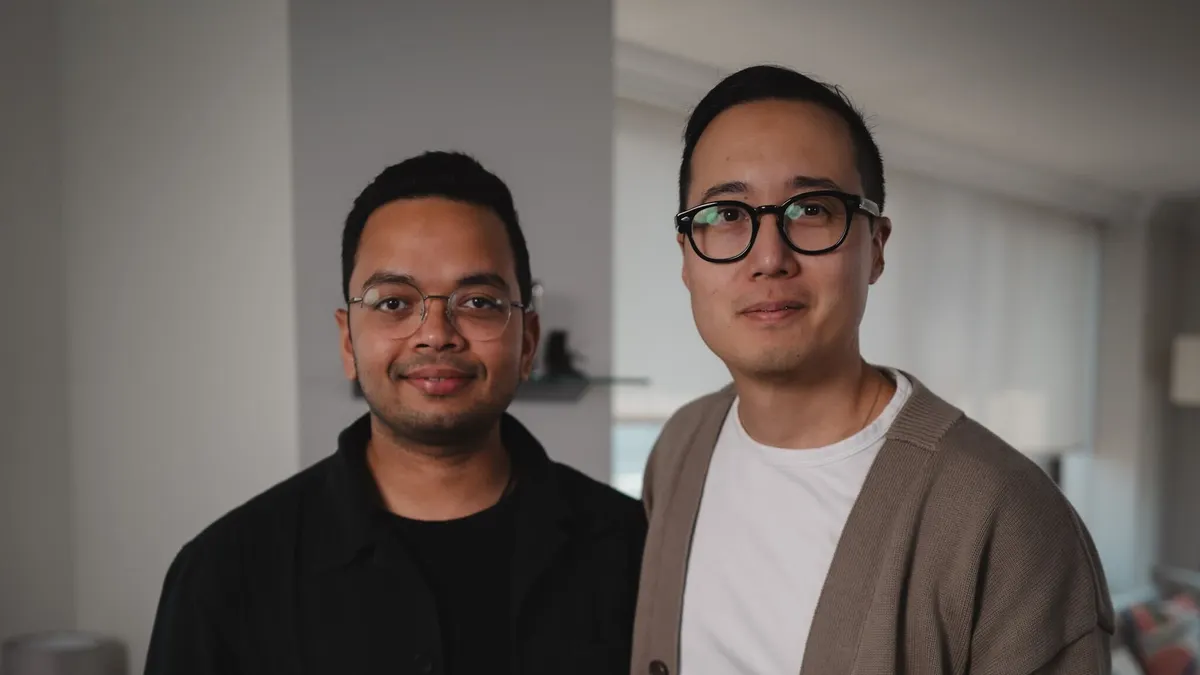
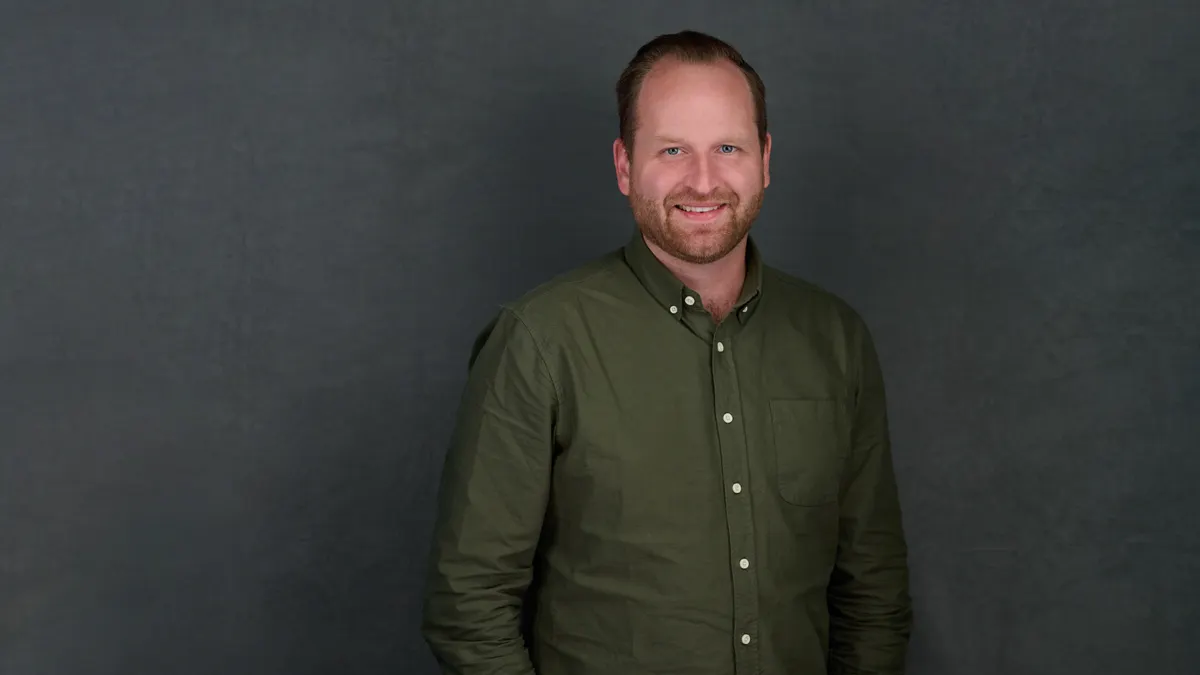
The hefty funding announced by the biotechnology company on Friday included more than half a dozen investors, among them venture firms Dimension and Luminous Ventures and the French pharmaceutical giant Sanofi. That bankroll “allows us to operate at a fundamentally different scale,” enabling the company to advance several programs towards clinical testing while building an “R&D organization designed for long-term impact,” founder and CEO Jian Peng said in a statement.
Earendil is incorporated in Delaware. But it has offices in Beijing and is affiliated with Helixon Therapeutics, which is backed by a number of Chinese venture capital firms. That makes it part of a fast-advancing biotechnology sector in China that is increasingly attracting partners in the U.S. and Europe, often by speeding forward medicines that represent possible advances on therapies either in development or on the market.
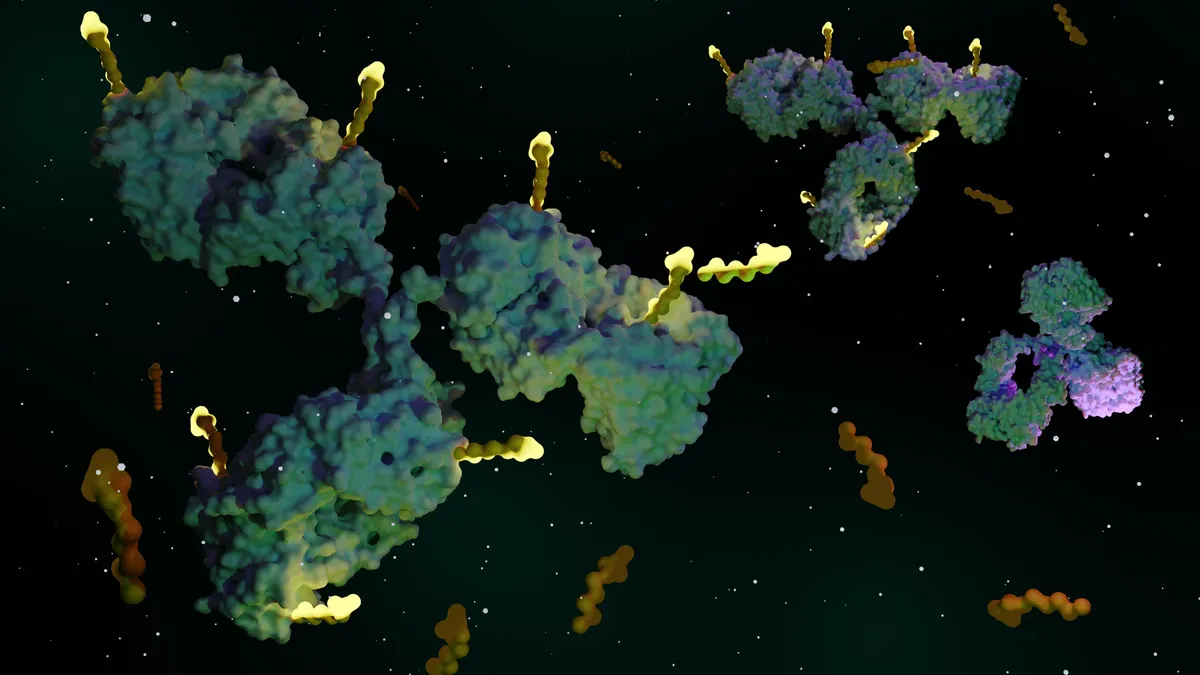
The company is using artificial intelligence to develop next-generation biologics for several different diseases, from asthma and eczema to colorectal cancer. Earendil claims its technology has produced more than 40 programs overall, and on its website lists 19 in its pipeline. One, for inflammatory bowel disease, is ready for Phase 2 development, the company said Friday.
Several of these medicines are aimed at popular drug targets, like the protein DLL3 in lung cancer and TL1A in IBD. Many are bispecific antibodies, T cell engagers or dual-targeting antibody-drug conjugates, drug types that have been attracting interest from startups, venture investors and large pharmaceutical firms alike. The company is reportedly considering an initial public offering in Hong Kong.
Sanofi has already allied with the firm twice, first last April and then again in January. The original deal involved two drugs for IBD and other autoimmune conditions, while the second pact was broader in scope and included plans to discover new therapies for multiple immune diseases. Both deals included payouts that could reach close to $2 billion or more.
“Earendil Labs stands out for its ability to translate AI innovation into real, scalable R&D execution,” said Zavain Dar, a founding managing partner at Dimension, in a statement. “The team has shown that AI can consistently generate high-quality biologics programs and advance them toward the clinic.”