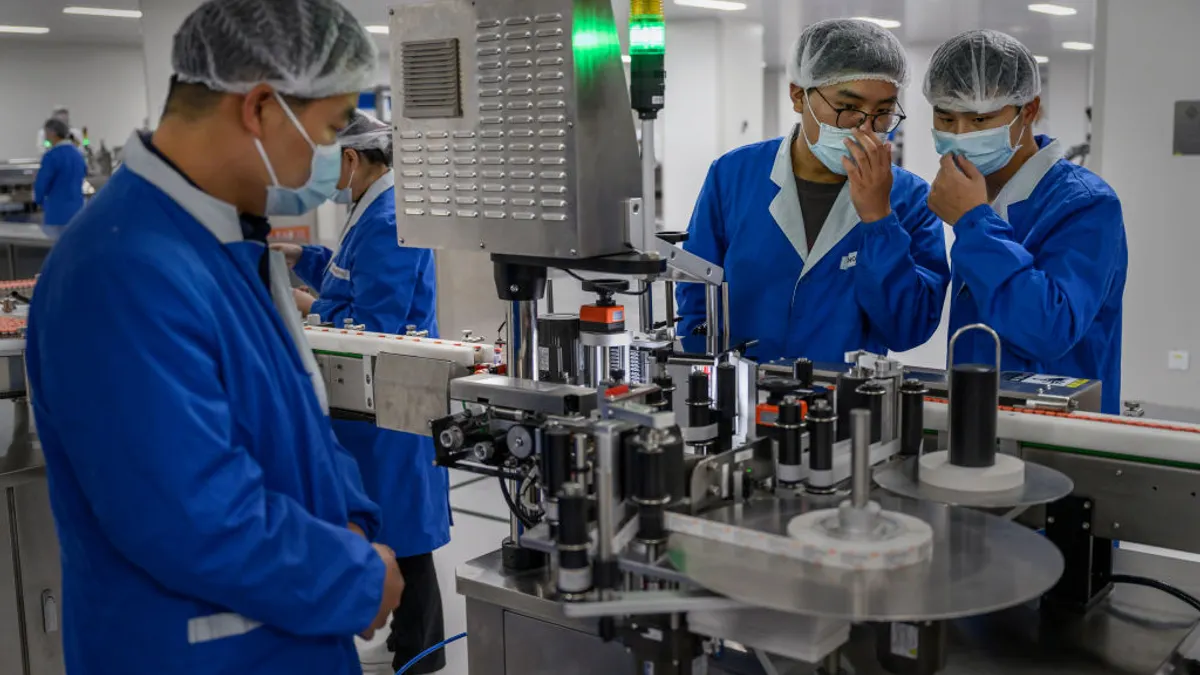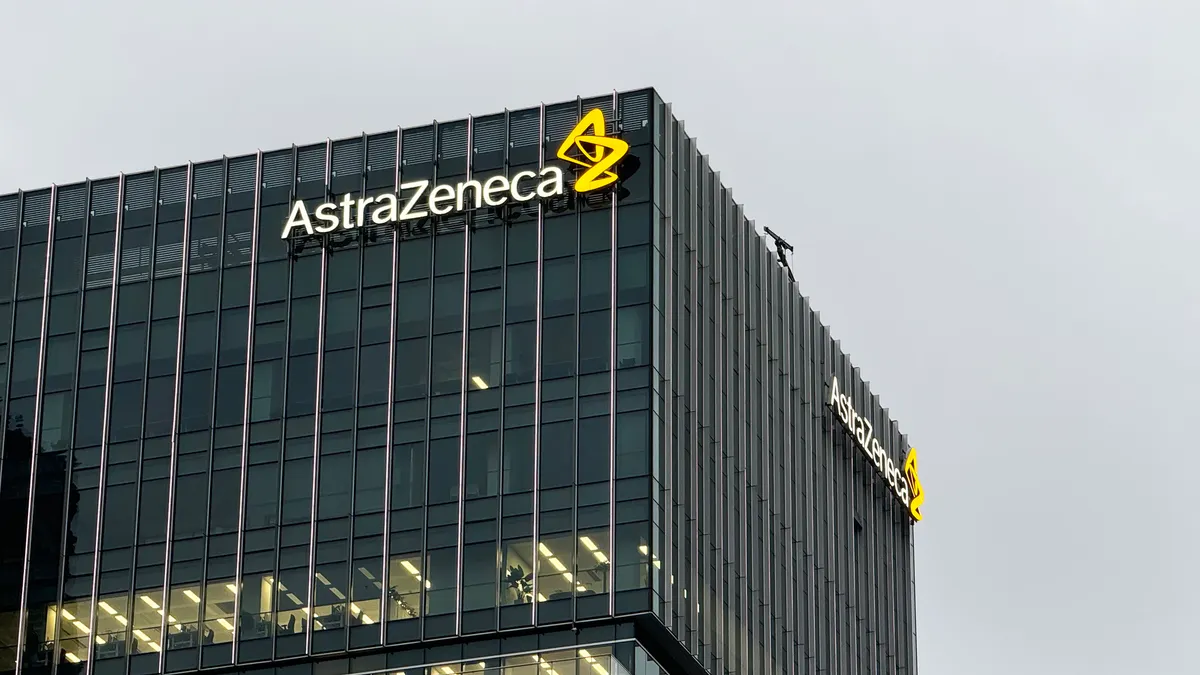
AstraZeneca is expanding its footprint in cell therapy as well as China, revealing Thursday plans to build a new manufacturing and supply base for its therapies in Shanghai.
According to AstraZeneca, the planned facility will make it the first multinational pharmaceutical company with “end-to-end” cell therapy capabilities in China. The plant will help produce CAR-T therapies in China and other Asian markets. Among them is a kind of dual-acting cell therapy it acquired in a 2023 buyout of Suzhou-based Gracell Biotechnologies that’s being tested in multiple myeloma as well as autoimmune diseases.
The company will also form a new “innovation center” in Shanghai with early-stage research capabilities, cell therapy tools, clinical manufacturing and regulatory support.
The announcement comes less than two months after AstraZeneca pledged $15 billion to China’s biotech ecosystem through 2030. The company has a long history in China, starting in 1993. But like many of its peers, AstraZeneca has ramped up investments in the sector there of late, tapping into a vast ecosystem of biotechs quickly developing therapies designed to match or improve upon drugs in development or on the market.
Partnerships with biotechs like Harbour BioMed and Jacobio Pharma have given AstraZeneca rights to experimental medicines for immune diseases and cancer. A wide-ranging alliance with CSPC Pharmaceutical Group in late January handed AstraZeneca up to eight “next-generation” obesity drugs.
The plant also adds to what’s been a steady push into cell therapy by AstraZeneca. The company wasn’t part of the initial wave of industry interest in the field. But over the last several years, it has been building up internal capabilities and cutting deals with biotechs focused on newer approaches, such as donor-derived treatments or therapies made from different immune cells.
A $1 billion purchase of EsoBiotech in 2025 also made it one of several drugmakers to bet on “in vivo” technology that can modify immune cells inside the body.