Dive Brief:
- Biotechnology venture firm Apple Tree Partners has filed for bankruptcy to implement a restructuring plan that will ensure its startup companies continue to be funded.
- The bankruptcy filing announced Wednesday comes amid a months-long dispute between ATP and its primary backers, a pair of entities associated with Russian billionaire Dmitry Rybolovlev. The venture firm sued those entities, Rigmora Biotech Investor One and Two, in Delaware Chancery Court earlier this year, alleging they were withholding funds promised to its startups. A Chancery court recently sided with the firm and ordered its backer to pay up about $97 million.
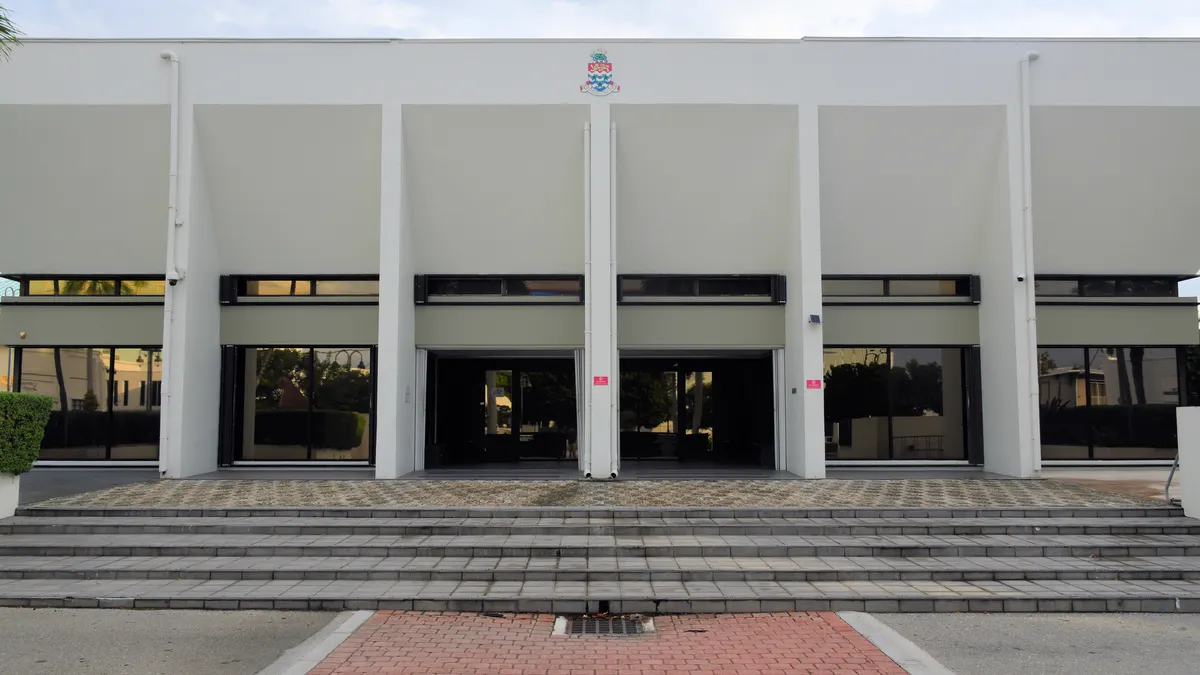
- Rigmora counter-sued in the Cayman Islands in June, arguing ATP is mismanaging funds and should be liquidated. Litigation is ongoing in the second lawsuit.
Dive Insight:
ATP’s filing was made under Chapter 11 of the U.S. bankruptcy code, which enables companies to shield themselves from creditors while they reorganize. The firm said the bankruptcy will protect funding and other resources “required to continue their critical missions to research and develop novel breakthrough treatments for cancer, neurological disorders, infectious diseases, and other serious diseases.”
The move is the latest twist in a relationship that dates back to 2012, when Rybololev’s family trust agreed to fund $1.5 billion in biotech investments. ATP has since broadened a startup portfolio that includes around 30 companies, according to its website. Many of those companies are pursuing cutting-edge areas of drug development, such as genetic editing and self-replicating RNA.
In its statement, the firm claimed it has delivered “an industry-leading” return on invested capital since debuting more than 25 years ago. However, the pace of its investments has slowed, and the the firm’s only publicly announced funding this year involved medtech startup Galvanize Therapeutics.
In court filings, ATP claimed that a cutoff in promised funds from Rigmora left some of its startups facing “imminent collapse.” Rigmora countered that “it lost trust and confidence in ATP" due to what court documents describe as "mismanagement and lack of probity.”
Rigmora added in an email to BioPharma Dive that, by suing its financier, ATP sidestepped “legitimate requests for information” about how money was being managed. Rigmora also accused ATP of attempting to seize half of its stake in the fund and aims to have it wound down in a court proceeding as a result.
In the Dec. 5 ruling, Delaware Chancery Court Judge Kathaleen St. J. McCormick said Rigmora was obligated to honor the funding pledged to startups ATP had outlined budgets for. “The public interest strongly favors preserving potentially life-saving research programs,” she wrote.
Rigmora noted that McCormick didn’t, however, grant the majority of the relief ATP had sought, including requests that the limited partner surrender its contractual approval rights. It also called the bankruptcy filing “nothing more than a delay tactic” and a desperate attempt “to avoid oversight” by the Cayman Island courts.
ATP “does not claim that the bankruptcy petitions are necessitated by a lack of funds, nor could it,” Rigmora wrote. Instead, it’s “simply unsatisfied with the terms of the partnership agreement as confirmed by the Court of Chancery.”
“We have no doubt that the fundamentals underpinning our investments are strong, and that our portfolio companies have shown and continue to show great promise to deliver significant returns on investment and meaningful new treatments and cures,” Seth Harrison, ATP’s founder and managing partner, said in a statement.
Editor’s note: This story has been updated with statements from Rigmora.